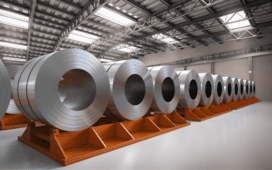


The European Union’s Carbon Border Adjustment Mechanism (CBAM) has come into effect from January 1, introducing a carbon tax on imports of carbon-intensive goods such as steel and aluminium. Industry experts warn that the move could significantly impact Indian exports, as EU importers must now purchase certificates reflecting the embedded carbon emissions of these products. The additional cost is expected to be passed on to Indian producers, potentially forcing exporters to reduce prices by an estimated 15–22% to remain competitive, even though full payment obligations begin in 2026.
According to the Global Trade Research Initiative (GTRI), smaller Indian firms may face particular challenges due to complex measurement, reporting, and third-party verification requirements. However, emissions intensity varies by production process, meaning exporters using cleaner and lower-carbon technologies could gain a competitive advantage under the new regime. Accurate emissions accounting will be critical for maintaining access to EU markets.
Reference: Read more